Stay and work
Working remotely from Brindisi: internet, seasons, costs and weekends
Quick answer
Brindisi is a good base for remote work: fibre internet is widely available in the city, the airport is about 10 minutes from the old town, winters are mild and daily costs are lower than in the busiest parts of Puglia. Choose a home with confirmed Wi-Fi speed, a real desk and chair, and outdoor space, and keep weekends for Lecce, Ostuni and the sea.
| Airport | About 10 min from the old town |
|---|---|
| Internet | Fibre (FTTH) widely available in the city |
| Time zone | CET/CEST, same as Berlin and Paris |
| Best months | September to June |
| Weekend trips | Lecce 35 to 40 min, Ostuni 30 to 35 min |
| Ideal stay | 2 to 4 weeks |
Is Brindisi a good place to work remotely?
At nine in the morning in October the old town smells of coffee and wet stone. Shutters go up, a delivery van reverses down a lane meant for donkeys, and by the time your first call ends the sun has reached the terrace. That is the Brindisi workday: ordinary, local, and with the sea ten minutes away.
Brindisi is a real city of about 80,000 people, with daily life in every month, not a resort that shuts in October. For remote workers that matters more than postcards. Shops are open, buses run, the market is busy, and you are not the only person in town on a Tuesday in February.
The other reason is access. The airport is about 10 minutes from the old town, with year-round flights to Italian hubs such as Milan and Rome and more European routes in the warmer months. If a client meeting comes up at short notice, you can be in Milan the same morning. Few places in southern Italy are this easy to leave and come back to.
How good is the internet in Brindisi?
The city has fibre-to-the-home coverage from Open Fiber and other networks, with 1 Gbit/s plans sold by the major Italian providers. In practice, an apartment with a recent fibre line handles video calls, large uploads and several people working at once without trouble. Mobile coverage on 4G and 5G is good in the centre.
The weak point is not the city, it is the individual building. Old houses have thick stone walls that stop Wi-Fi between rooms. Before you book:
- ask the host for a recent speed test (a screenshot is better than "fast Wi-Fi");
- ask whether the line is fibre to the home or a mixed copper connection;
- check that the router or a repeater covers the room where you will work;
- bring or buy a local SIM with data as a backup for important calls.
Brindisi compared with other Puglia bases for remote work
| Base | Airport | Life in winter | Costs | Weekend reach |
|---|---|---|---|---|
| Brindisi | About 10 min (BDS) | Real city, open all year | Lower | Salento and Valle d'Itria both within about 1 hour |
| Lecce | About 40 min (BDS) | Lively university town | Medium | Best for Salento |
| Ostuni and Valle d'Itria | About 35 min (BDS) | Very quiet, many places close | Medium to high | Best for central Puglia, car needed |
| Bari | About 20 min (BRI) | Big city, busiest | Medium | Best for the north and Matera |
Brindisi wins on two points: the airport and the balance between the two halves of the region. For the full comparison, see Brindisi as a base for Puglia.
When is the best time for a workation in Brindisi?
September to June is the sweet spot. September and early October still have warm sea and long evenings outside. November to March is mild by northern European standards, with short sunny days, some rain and wind, and the city to yourself. April to June brings green countryside and the first swims.
July and August are hot, busy and expensive across Puglia. You can work through them, but plan calls for the morning, keep the afternoon for a siesta and choose a home with air conditioning in the workspace. Our guide to the best time to visit Brindisi goes month by month.
What does a workday in Brindisi look like?
A week here settles into a pattern quickly. This is a rhythm that works for most people:
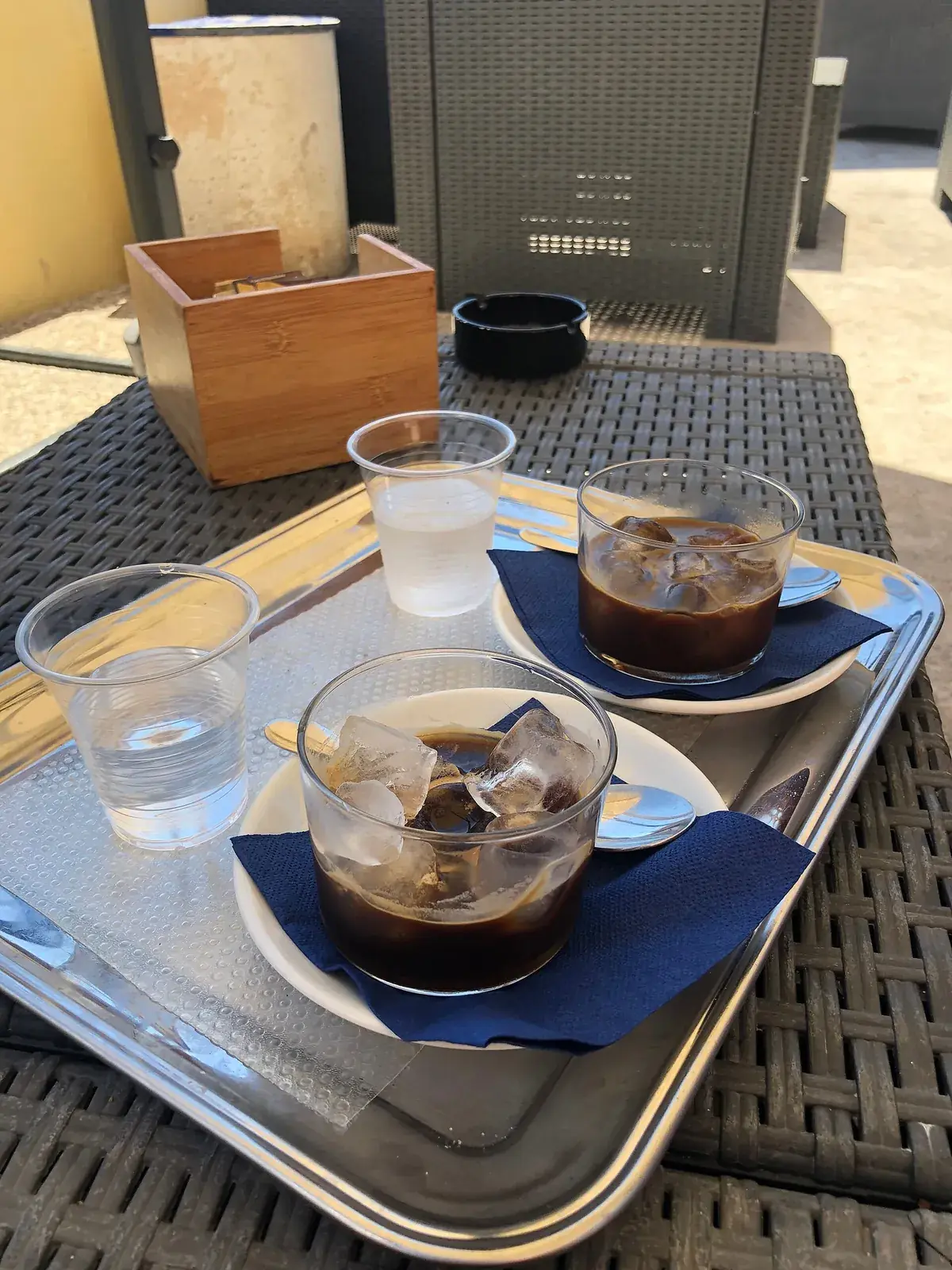
- 7:30 to 9:00: coffee at the bar, a walk along the harbour, the fish market area in the morning to see what the boats brought in.
- 9:00 to 13:00: deep work at the desk. Shops and offices are open, the lanes are quiet.
- 13:00 to 15:00: lunch, often the main meal. Many small shops close in the early afternoon.
- 15:00 to 18:30: calls and meetings. Central European colleagues are on the same clock.
- Evening: the passeggiata on the waterfront, dinner in the old town or cooking at home with market vegetables.
The Italian clock helps focus. When the town slows down after lunch, you work; when the town comes out in the evening, you stop.
What should a remote-work apartment have?
A holiday home is not automatically a good office. The difference between a productive month and a frustrating one usually comes down to a short list.
- A real desk and chair, not the kitchen table and a wooden stool. Your back will notice by day three.
- An external monitor if you work on a laptop all day.
- A quiet room with a door, away from the living area if you travel with a partner or family.
- Air conditioning and heating: old stone houses stay cool in summer but can feel cold in January.
- A washing machine and a full kitchen, because a month of restaurants is tiring and expensive.
- Outdoor space for breaks and evening calls with friends at home.
Getting in and out: flights and trains
Brindisi Airport, officially Aeroporto del Salento, is the closest airport to the old town of any city in Puglia. A taxi takes about 10 minutes, and the STP shuttle bus runs to the centre about every 30 minutes through the day. For remote workers this turns a monthly trip home or a client visit into a short day rather than an expedition.
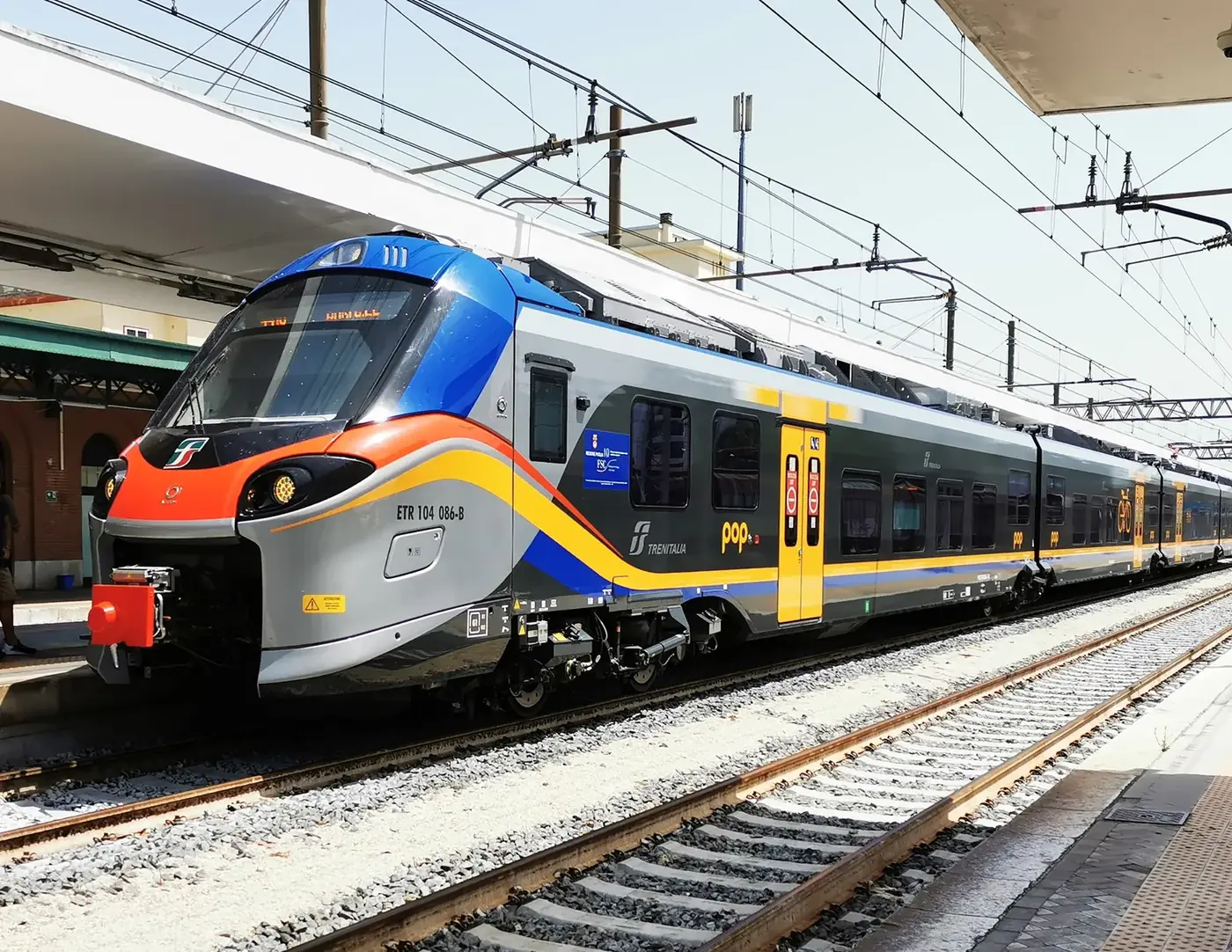
Routes change by season, so check the current list before you commit, but expect year-round links with Italian hubs and more European destinations from spring to autumn. Bari Airport, about 1 hour 15 by car, adds more options if you need them. By train, Brindisi is on the Adriatic line, with direct services north towards Bari and beyond and south to Lecce. Our airport to city centre guide has the transfer details.
How much does a month in Brindisi cost?
We do not publish price lists here because they change, but the pattern is clear. Day-to-day life in Brindisi, from coffee at the bar to a pizza or a market shop, is generally cheaper than in Bari, Lecce or the Valle d'Itria towns, and far cheaper than in Italy's big northern cities.
Accommodation is the main cost. For stays of two weeks or more, always ask for a weekly or monthly price: many hosts offer one, and outside July and August there is room to agree. Remember that the city tourist tax applies only up to a maximum of 7 nights, so on a long stay it is a small part of the total. A car is optional during the week and useful at weekends; regional trains reach Lecce, Ostuni and Bari.
Non-EU travellers should check visa rules before planning a long stay. Italy has introduced a digital nomad visa for qualifying remote workers; the requirements and process are set by Italian consulates, so confirm them directly.
Weekends from Brindisi
The best part of working from Brindisi is what you can reach on a Saturday morning without packing.
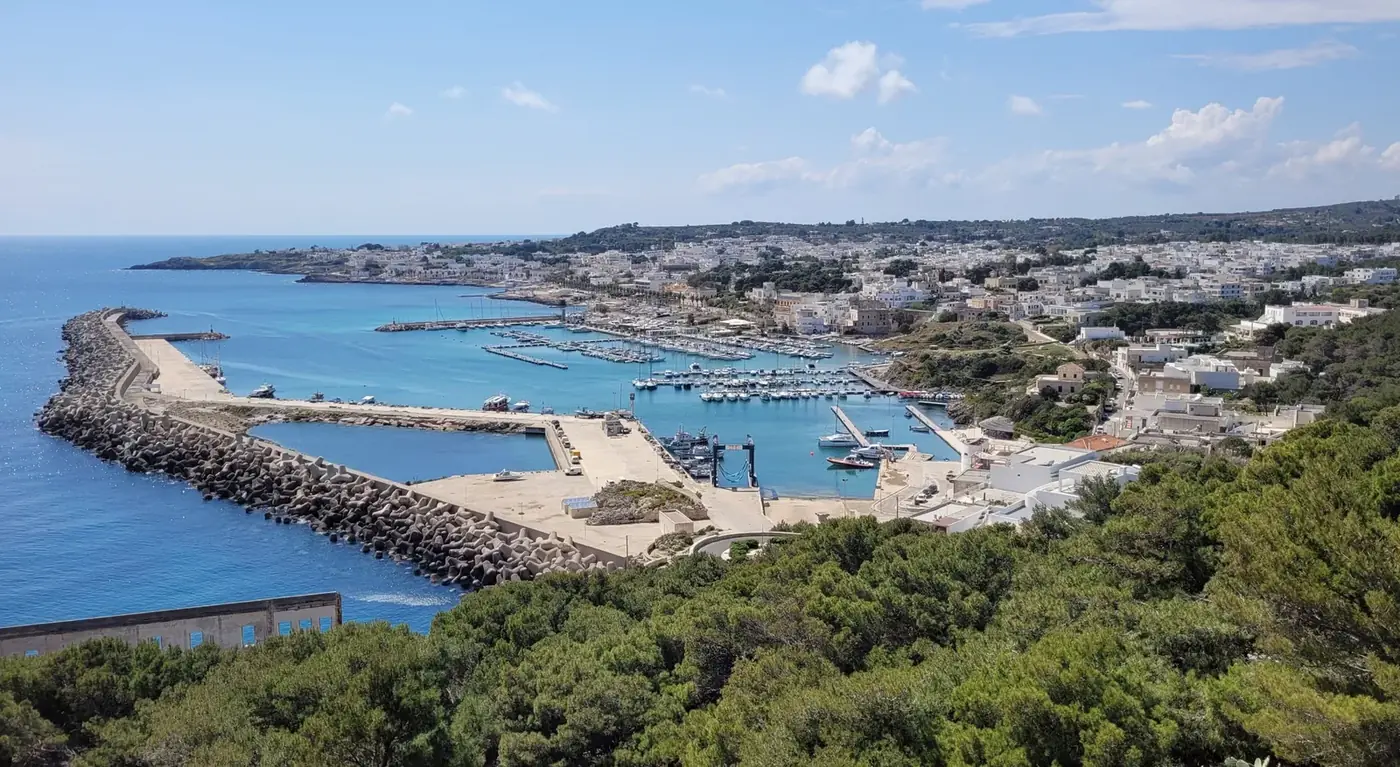
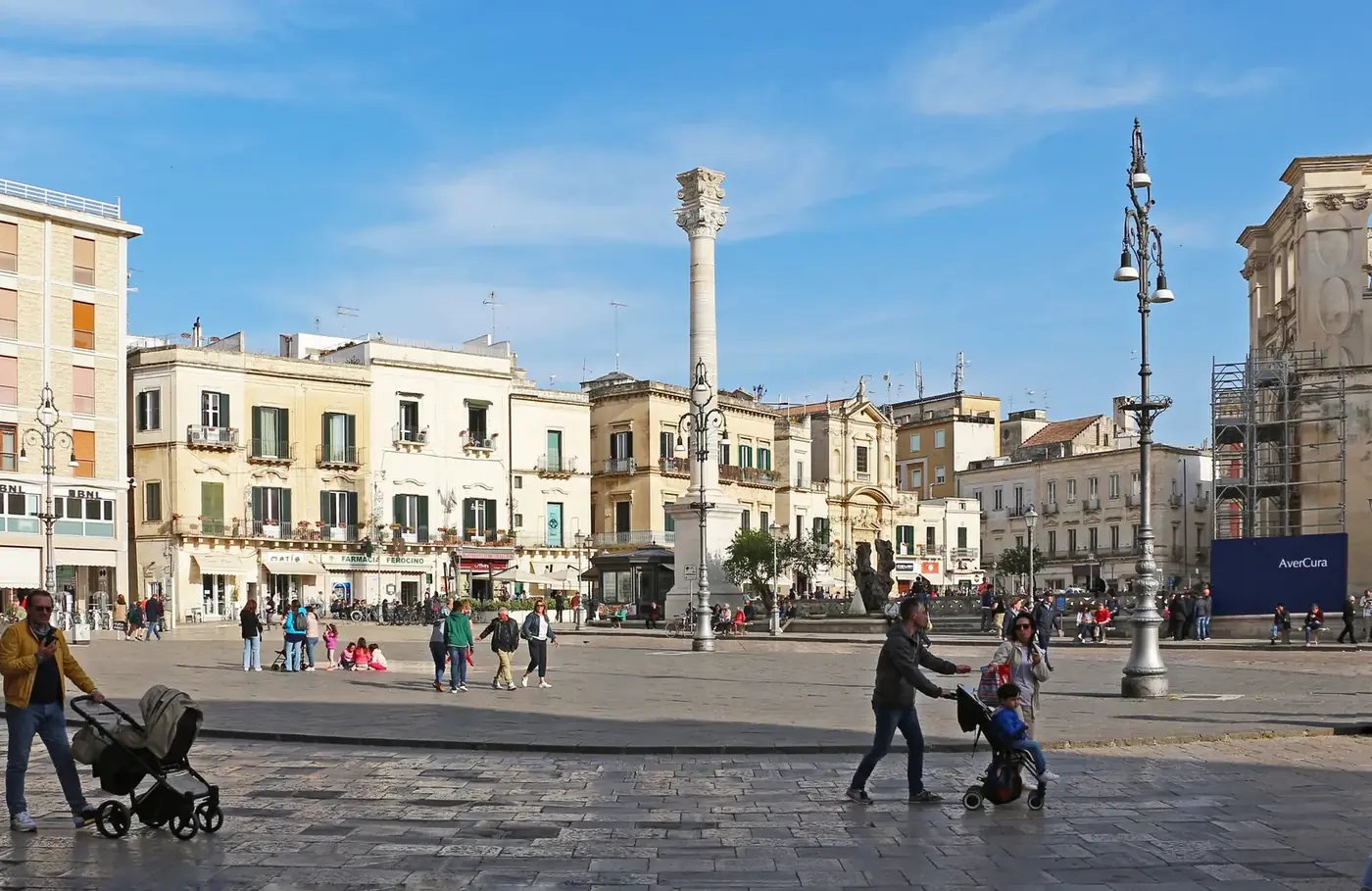
- Lecce (about 35 to 40 minutes by car, 25 to 35 by regional train): baroque churches and an evening aperitivo in the piazza.
- Ostuni and the coast (about 30 to 35 minutes): the white town in the morning, a swim at Costa Merlata in the warm months.
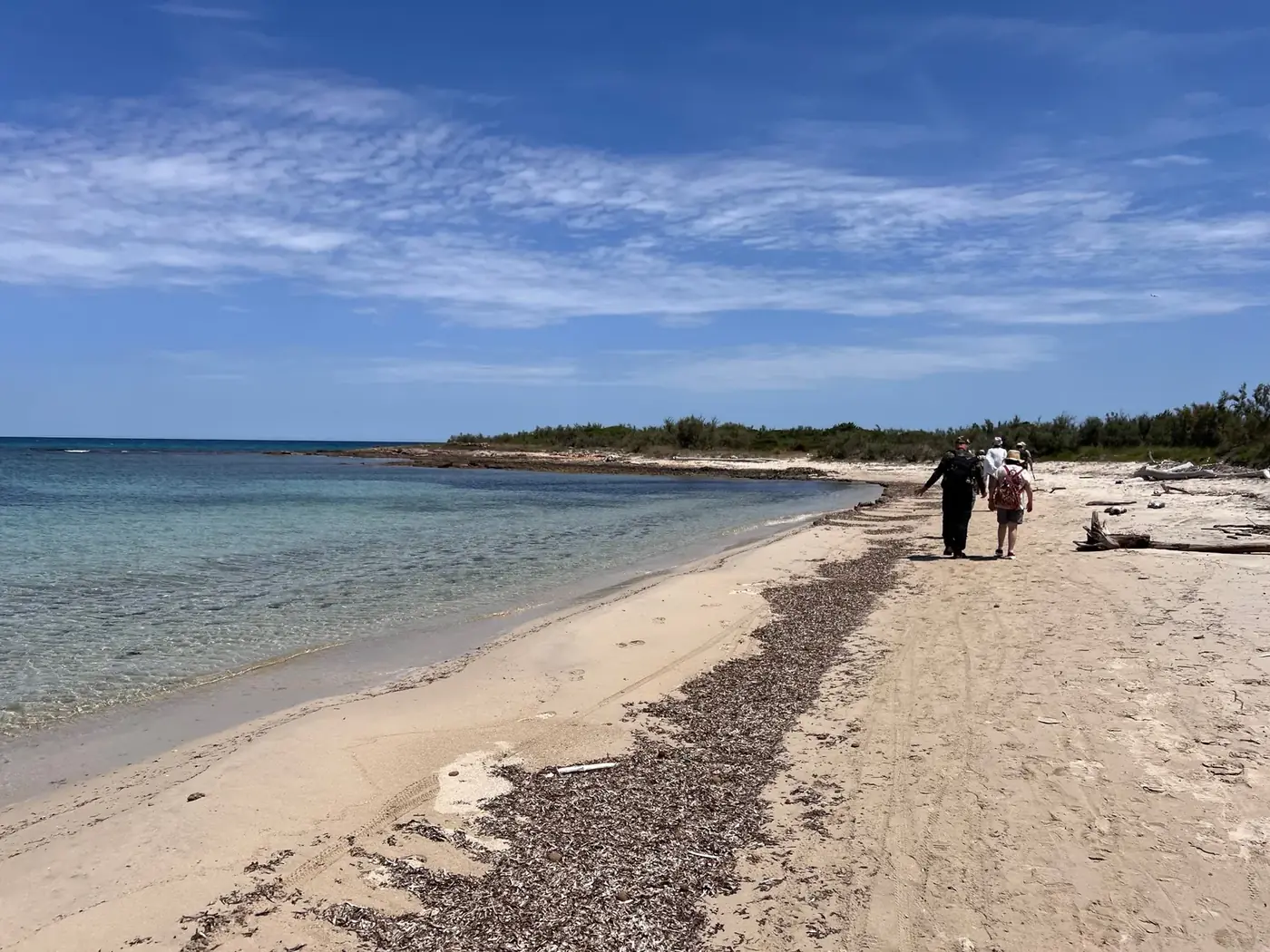
- Torre Guaceto (about 25 minutes): shallow clear water and a protected coastline.
- Alberobello, Locorotondo and Cisternino (about 1 hour): trulli, vineyards and dinner in a hill town.
- Otranto (about 1 h 10) or Matera (about 2 hours) for a longer Sunday.
Our day trips from Brindisi guide has the details, and in summer the ferry to Corfu turns a long weekend into a short trip to Greece.
Working from BDS House
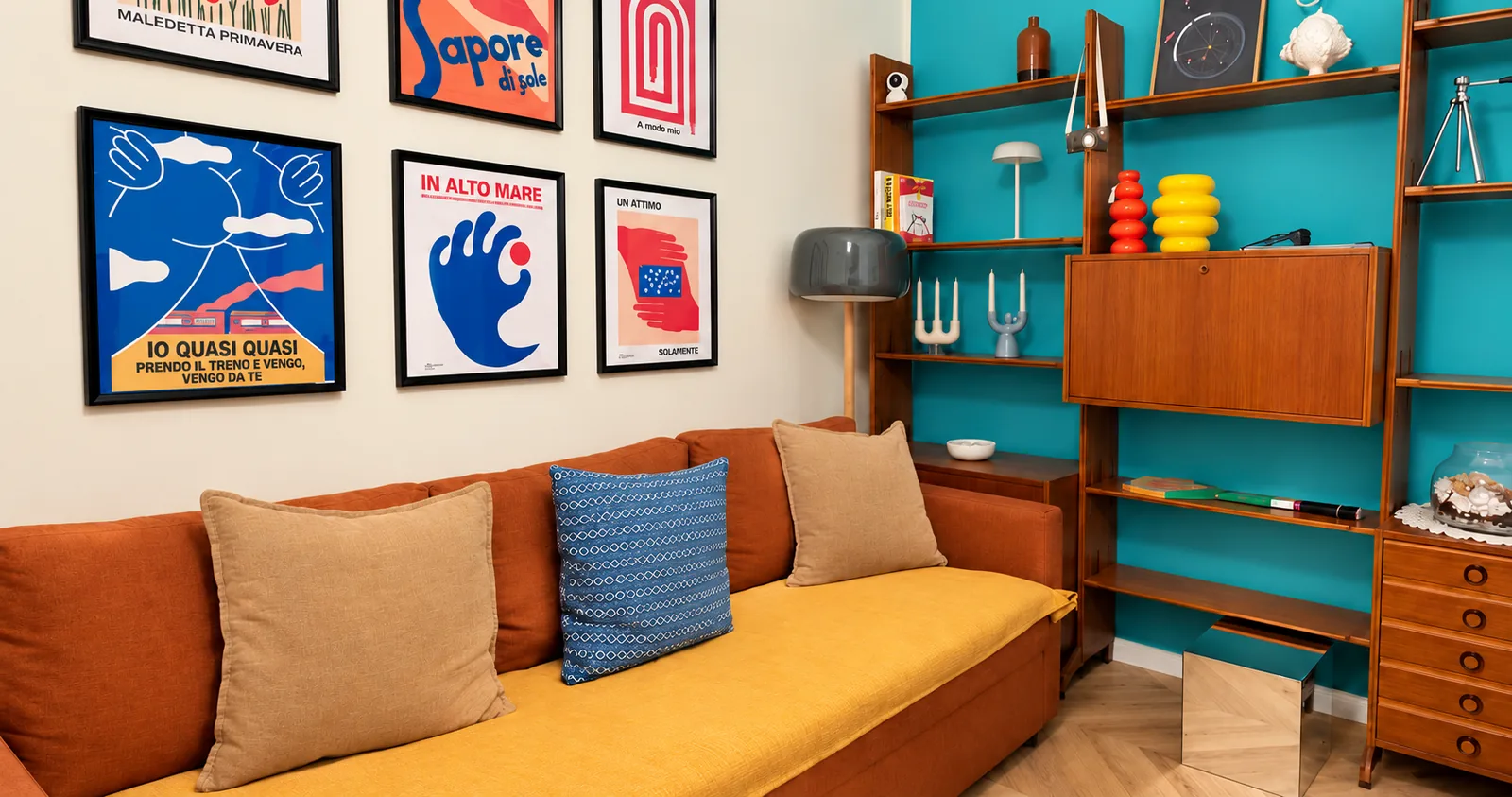
We set up BDS House with remote work in mind, because we work this way ourselves. The twin bedroom doubles as a study with a 27-inch monitor, a height-adjustable desk and an ergonomic chair, and there is fast Wi-Fi throughout the house. The kitchen is complete, there is a washing machine, and air conditioning keeps the workspace usable in August.
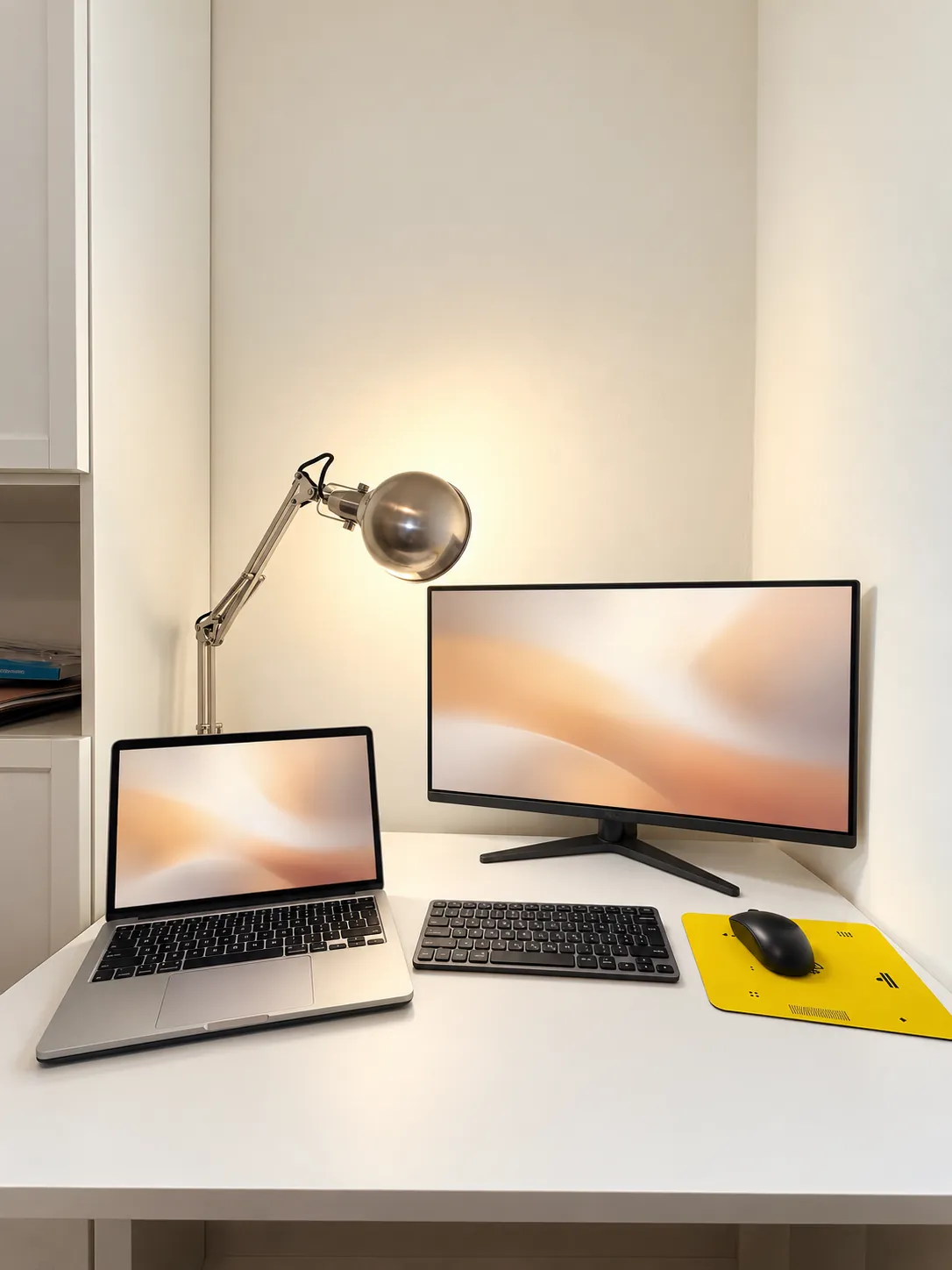
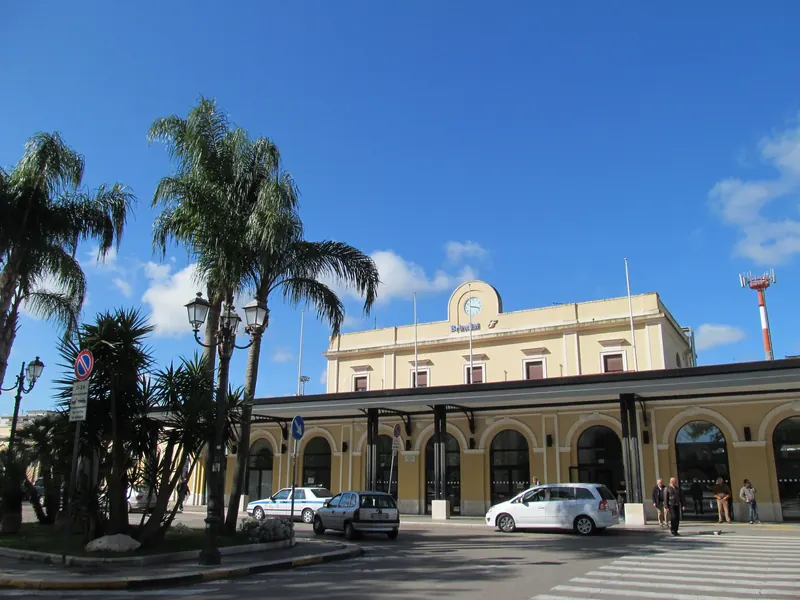
When the laptop closes, there are two private terraces, including a rooftop over the old town, and the harbour is a few minutes on foot. The airport is about 10 minutes away and the railway station about 750 m. Stays of up to 30 nights are possible, with weekly and monthly prices on request. Send your dates and how you work through the booking form, and Niccolò will reply with a price.
Questions travellers ask
Is Brindisi good for digital nomads?
Yes, for people who like a real Italian city rather than a resort. Brindisi has fibre internet, an airport about 10 minutes from the old town, mild winters and lower daily costs than Lecce, Bari or the Valle d'Itria. It is quiet compared with big nomad hubs, so it suits focused work more than a busy social scene.
Is the internet fast in Brindisi?
In much of the city, yes. Fibre-to-the-home lines with plans up to 1 Gbit/s are available, and 4G and 5G mobile coverage is good in the centre. Speed depends on the individual building, so ask your host for a recent speed test and check that Wi-Fi reaches the room where you will work.
What is the best time of year to work remotely from Brindisi?
September to June. September and early October still have warm sea, winter is mild and quiet, and spring is green and pleasant. July and August are hot and busy; you can work through them with air conditioning, morning calls and a slower afternoon.
Do I need a coworking space in Brindisi?
Usually not. Most remote workers do well in a quiet apartment with fast Wi-Fi, a real desk, an ergonomic chair and an external monitor. If you want a shared office for company, ask locally when you arrive, as small spaces open and close over time.
Can I stay for a month in Brindisi?
Yes. Many hosts accept monthly stays and offer weekly or monthly prices, especially outside July and August. BDS House accepts stays of up to 30 nights; ask for a monthly price when you send your dates through the booking form.
Is Brindisi expensive to live in for a month?
Compared with the most visited parts of Puglia and with northern Italian cities, no. Coffee, food shopping and eating out are generally cheaper than in Bari, Lecce or the Valle d'Itria. Accommodation is the main cost, and long-stay discounts are common outside high season.
Do I need a car for a workation in Brindisi?
Not during the week. The old town is walkable and the railway station connects you with Lecce, Ostuni and Bari. A car is useful at weekends for beaches, the Valle d'Itria villages and Otranto. Many remote workers rent one for a few days rather than the whole month.
What time zone is Brindisi in?
Brindisi uses Central European Time (CET), and Central European Summer Time (CEST) from late March to late October. It is the same time as Berlin, Paris and Madrid and one hour ahead of London, which makes calls with most European teams easy.
Sources and further reading
- Open Fiber: fibre coverage in Brindisi
- Brindisi Airport on Wikipedia
- Aeroporti di Puglia (official airport site)
- Visit Puglia (regional tourism)
Times and prices are approximate and change by season. Last checked on 3 October 2026.