Food
Wineries near Brindisi: Brindisi DOC, Susumaniello and how to plan a tasting day
Quick answer
Near Brindisi you can taste Negroamaro, Primitivo and the rare local Susumaniello at wineries inside the city, such as Tenute Rubino, Tenute Lu Spada and Cantine Risveglio, and 20 to 25 minutes south at Masseria Li Veli and Cantine Due Palme in Cellino San Marco. Book visits ahead and use a taxi or driver, not your own car.
| Local appellation | Brindisi DOC (since 1979): Brindisi and Mesagne |
|---|---|
| Main grape | Negroamaro, at least 70% in Brindisi Rosso and Rosato |
| Local rarity | Susumaniello, a grape native to the Brindisi area |
| Wineries in the city | Tenute Rubino, Tenute Lu Spada, Cantine Risveglio |
| Nearby wine towns | Cellino San Marco, about 20 to 25 min; Salice Salentino, about 35 min |
| Harvest | Usually late August to early October |
| Open cellars event | Cantine Aperte, usually the last weekend of May |
Why is Brindisi good for wine lovers?
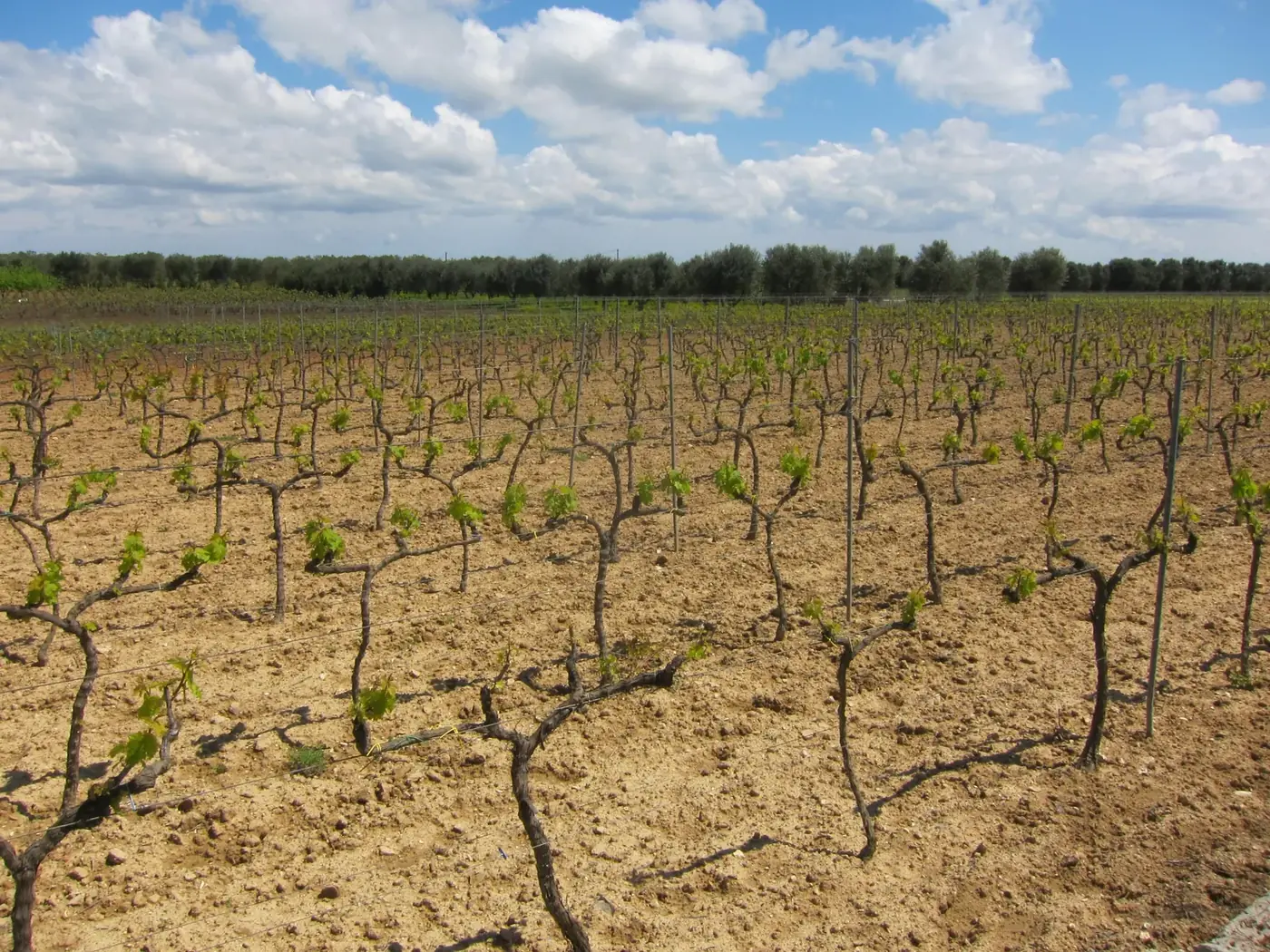
Drive out of Brindisi in late September and the air changes. It smells of crushed grapes and diesel from the tractors queuing at the cellars, trailers full of black bunches. The land is flat and red, the vines are low and stubborn, and the wind from the sea keeps them healthy. This is one of the oldest wine landscapes in Italy, and most visitors drive straight through it on the way to somewhere else.
That is the opportunity. Wine tourism in Puglia is often associated with Manduria or the Valle d'Itria, but the province of Brindisi has its own appellation, its own forgotten grape that has come back to life, and wineries ten minutes from the airport. You can land in the morning and be in a cellar before lunch.
This guide explains what you will drink, lists wineries near Brindisi that we have verified offer visits, and shows how to plan a tasting day without anyone having to drive.
What wine is Brindisi known for?
Three grapes matter here.
- Negroamaro, the name usually explained as "black and bitter", is the backbone of the Salento. It makes deep-coloured, earthy reds with a slightly bitter finish, and excellent dry rosés. It is the main grape of the Brindisi DOC.
- Susumaniello is the local character. A grape found almost only around Brindisi, it was nearly abandoned in the twentieth century and was added to Puglia's list of approved varieties in 2003. Local folklore says the name comes from a donkey, because the vines once produced so much fruit you could load a somarello with it. Today it makes soft, fruity reds and lovely rosés.
- Primitivo is the famous one, at its best around Manduria, about 50 minutes away towards Taranto. Many Brindisi wineries also make it, and it is worth tasting side by side with Negroamaro.
The Brindisi DOC was recognised in 1979 and covers the municipalities of Brindisi and Mesagne. Brindisi Rosso and Rosato must be at least 70% Negroamaro, with Malvasia Nera and smaller amounts of other grapes, including Susumaniello. Nearby you will also find Salice Salentino, just over the border in the province of Lecce, where Italy's first bottled rosé, Five Roses by Leone de Castris, was created in 1943.
| Wine | Grape | Style | Drink it with |
|---|---|---|---|
| Brindisi Rosato | Mostly Negroamaro | Dry, coral pink, fresh | Seafood antipasti, frisa |
| Brindisi Rosso | Mostly Negroamaro | Dark, earthy, slightly bitter finish | Orecchiette with ragù, meat rolls |
| Susumaniello | Susumaniello | Soft, fruity, low tannin | Octopus, tiella, pizza |
| Primitivo | Primitivo | Full, ripe, warm | Grilled meat, aged cheese |
| Salice Salentino | Negroamaro and Malvasia Nera | Classic Salento red | Sunday lunch |
Which wineries can you visit near Brindisi?
These are wineries we have verified offer visits or tastings. All require booking. Opening days change by season, so always check before going.
In Brindisi itself
- Tenute Rubino (Via Enrico Fermi 50). The winery most linked to Susumaniello, with estates around Brindisi including Jaddico near the coast. Cellar tours with tastings of three or four wines, with taralli, last about one to two hours and are booked on their website. Visitors often praise the English-speaking guides. They also run a wine bar, Numero Primo.
- Tenute Lu Spada. A family estate along the route of the old Via Appia, growing Negroamaro, Susumaniello, Malvasia Nera, Primitivo and Vermentino. It offers several formats: a vineyard tour with three wines, longer tastings with cheese and cured meats, picnics, sunset dinners for groups and a cooking class.
- Cantine Risveglio. A long-established Brindisi cellar offering guided visits and tastings, bookable online.
Cellino San Marco, about 20 to 25 minutes south
- Masseria Li Veli. An old masseria turned modern winery, about 30 minutes from Brindisi airport, known for its work on native grapes. Visits include the vineyards, the cellar and a tasting, on weekdays by reservation.
- Cantine Due Palme. One of the largest wine cooperatives in Puglia, with hundreds of grower members. Tours show the scale of production and the range runs from everyday bottles to top reds.
How do you plan a wine tasting day without driving?
Italy's drink-driving limit is low, and the roads between wineries are dark country lanes. Do not plan to drive yourself between tastings. Here are the realistic options.
| Option | Good for | Notes |
|---|---|---|
| Taxi to a winery in Brindisi | One tasting, short stay | Tenute Rubino and Cantine Risveglio are 10 to 15 minutes from the old town. Book the return when you arrive. |
| Private driver (NCC) for half a day | Two wineries in Cellino San Marco or Salice | Book ahead. Split between four to six people, it is the most relaxed option. |
| Organised wine tour | Solo travellers, couples | Some tours include transport; read carefully, many do not. |
| Designated driver | Groups with a car | Wineries will usually offer non-drinkers water and snacks; some offer a reduced tasting. |
| Train plus taxi | Masseria Li Veli | The nearest station is San Pietro Vernotico, about 6 km away; you still need a taxi. |
A sensible plan is one winery in the morning, lunch, and a second in the afternoon, never more. Tastings here are generous, and the Puglian sun after a glass of Primitivo is a strong argument for a siesta.
A sample wine day from Brindisi
- 10:00 Taxi or driver from the old town to Tenute Rubino for a cellar tour and Susumaniello tasting.
- 12:30 Continue south to Cellino San Marco or San Pietro Vernotico for lunch in a trattoria: orecchiette, meatballs, a plate of vegetables in oil.
- 15:00 Masseria Li Veli or Cantine Due Palme for a second visit, focused on reds and Primitivo.
- 17:30 Back in Brindisi for a rest, then aperitivo on the waterfront at sunset.
On a longer trip, add a day around Manduria for Primitivo, or around Ostuni, where the small Ostuni DOC uses the Ottavianello grape. Our day trips from Brindisi guide covers both directions, and the villages of the province guide suggests where to stop on the way.
When is the best time for wine tasting near Brindisi?
Wineries welcome visitors most of the year, but each season feels different.
- Late August to early October: harvest. The most exciting time, with trucks of grapes and fermenting must, but also the busiest for the winemakers. Book early and expect shorter visits.
- Late May: Cantine Aperte, the open cellars weekend organised by Movimento Turismo del Vino, usually the last weekend of May. Many Puglian wineries hold open days with tastings and events.
- Spring and autumn: the most comfortable for vineyard walks, with green vines in May and gold leaves in October.
- Winter: quieter, some wineries reduce visits, but tastings in the cellar are intimate. Check before going.
For weather and crowds month by month, see our guide to the best time to visit Brindisi.
Buying and bringing wine home
Wineries sell bottles at the cellar door, and most will pack them in boxes for travel. Some ship within Italy and to other EU countries; ask about shipping outside the EU, where rules and costs vary a lot.
- Hand luggage: wine is a liquid and is not allowed in the cabin above the small liquid limits. Buy at the airport after security if you want a bottle on board.
- Checked luggage: wrap each bottle in clothes and a plastic bag, and place them in the centre of the case. Wine-shipping sleeves are sold in some wine shops.
- Allowances: within the EU, personal quantities are fine. For the UK, USA and elsewhere, check the duty-free allowance before you fly.
Bottles of Brindisi DOC and Susumaniello are rare abroad, so they make better gifts than the big Primitivo labels you can find at home.
Wine on the terrace at BDS House
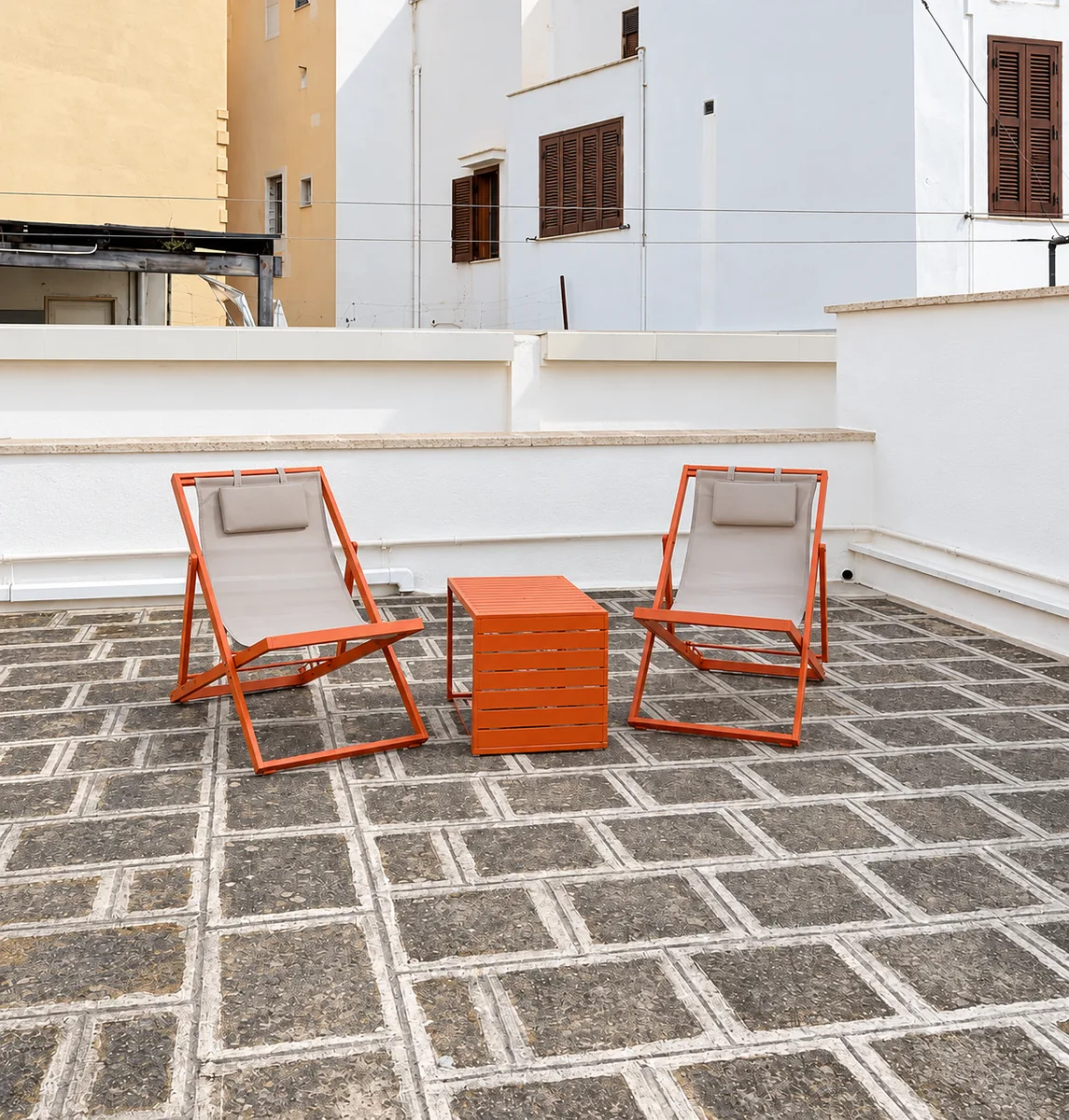
Our favourite way to finish a wine day is simple: back to BDS House, a whole home in Brindisi's old town, with a bottle from the morning's cellar opened on the rooftop terrace as the bell towers light up. There are two private terraces, a full kitchen for a cheese and bread supper, and room for up to six, which makes it easy to share a driver for the day. The airport is about 10 minutes away, so a last tasting before an evening flight is realistic.
If you want, we can suggest wineries that match your taste and help you book the taxi. You can check availability here.
Questions travellers ask
What wineries can I visit near Brindisi?
In Brindisi itself you can visit Tenute Rubino, Tenute Lu Spada and Cantine Risveglio, all offering guided tours and tastings by booking. About 20 to 25 minutes south, in Cellino San Marco, Masseria Li Veli runs weekday tours by reservation and Cantine Due Palme is a large cooperative. Always book ahead and check opening days.
What is Susumaniello wine?
Susumaniello is a red grape found almost only around Brindisi. It nearly disappeared in the twentieth century and was added to Puglia's list of approved varieties in 2003. It makes soft, fruity reds and fresh rosés. Tenute Rubino in Brindisi is the winery most associated with its revival, and it also appears in Brindisi DOC blends.
What is Brindisi DOC?
Brindisi DOC is the local wine appellation, recognised in 1979, covering the municipalities of Brindisi and Mesagne. Brindisi Rosso and Rosato must contain at least 70% Negroamaro, blended with Malvasia Nera and small amounts of other grapes such as Susumaniello. The reds are dark and earthy; the rosés coral pink and dry.
Can I do a wine tasting near Brindisi without a car?
Yes. Tenute Rubino and Cantine Risveglio are 10 to 15 minutes by taxi from the old town. For Cellino San Marco or Salice Salentino, hire a private driver for half a day or join a tour that includes transport. Do not drive between tastings: limits are low and country roads are dark.
When is the grape harvest near Brindisi?
The harvest usually runs from late August to early October, depending on the grape and the year. It is an exciting time to visit, with trucks of grapes at the cellars, but winemakers are busy, so book early. Cantine Aperte, the national open cellars weekend, is usually the last weekend of May.
Is Negroamaro the same as Primitivo?
No. Negroamaro is the main grape of the Salento and Brindisi, making earthy reds with a slightly bitter finish and excellent rosés. Primitivo makes fuller, riper, warmer reds and is at its best around Manduria, about 50 minutes from Brindisi. Many local wineries make both, so you can taste them side by side.
Can I take wine home in my hand luggage from Brindisi?
Not above the small liquid limits. Wine bought at a winery must go in checked luggage, wrapped in clothes and plastic, in the middle of the case. Alternatively buy a bottle after security at the airport, or ask the winery whether it ships to your country.
How long does a winery visit near Brindisi take?
Most tours with tasting last about one to two hours. Formats with food, like picnics or cooking classes, take longer. Plan a maximum of two wineries a day, one in the morning and one in the afternoon, with lunch in between.
Sources and further reading
- Brindisi DOC on Wikipedia
- Susumaniello on Wikipedia
- Masseria Li Veli, visiting info
- Movimento Turismo del Vino, events
Times and prices are approximate and change by season. Last checked on 3 October 2026.